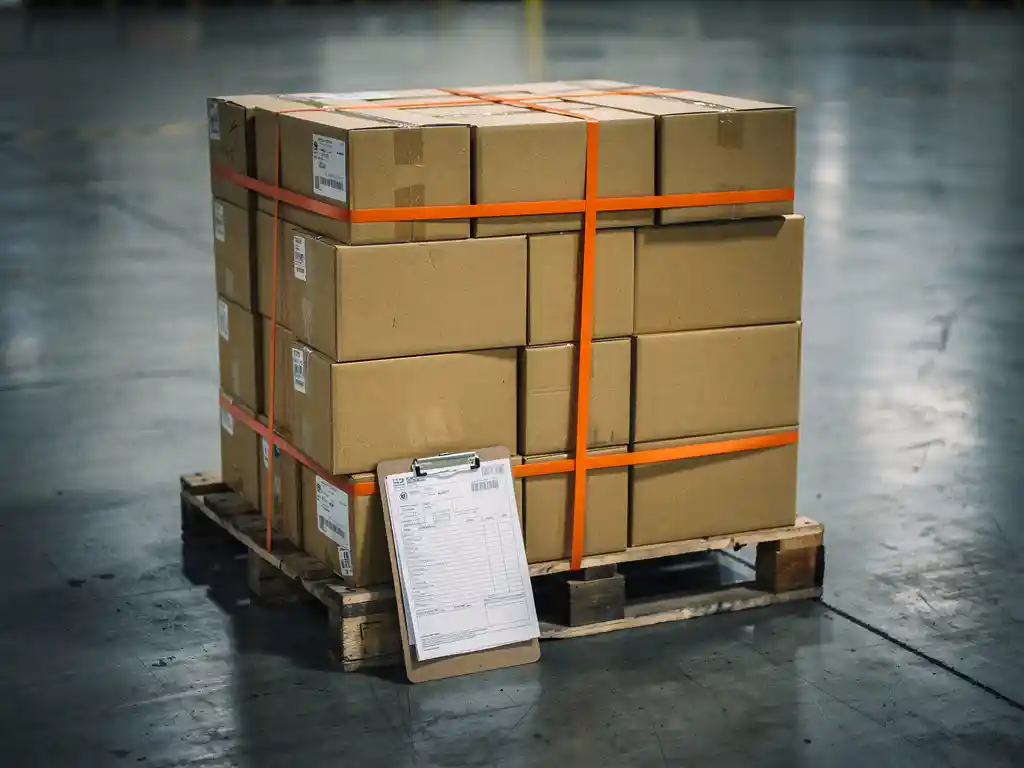
If you work in transport planning, you know that the base freight rate is rarely the final number on an invoice. Groupage transport, where multiple shippers share space in a single vehicle, comes with its own layer of pricing complexity. Surcharges can significantly affect the total cost of a shipment, and understanding how they work is essential for accurate budgeting, carrier negotiations, and day-to-day planning decisions.
Whether you are coordinating a handful of part-loads or managing dozens of consolidated shipments each week, getting a clear picture of surcharges in groupage transport helps you plan smarter and avoid unwelcome surprises. This article walks through the most common questions planners ask about surcharges, from what they are to how you can better manage them.
What are surcharges in groupage transport?
Surcharges in groupage transport are additional fees applied on top of the base freight rate to cover specific costs or conditions that the standard tariff does not include. They reflect real operational variables such as fuel price fluctuations, difficult delivery locations, or handling requirements that go beyond a straightforward point-to-point shipment.
Unlike a flat freight rate, surcharges are dynamic. They can change weekly, seasonally, or in response to external factors such as energy prices or regulatory changes. For planners working with groupage, this means the total cost of a shipment is rarely just the line-haul rate. Surcharges are applied per shipment, per pallet, per kilogram, or as a percentage of the base rate, depending on the carrier and the type of charge involved.
Understanding surcharges is not just a finance exercise. It directly affects how you compare carrier quotes, how you communicate costs to customers, and how you make routing decisions under time pressure. Tools like our planning assistant can help you navigate these variables more efficiently by giving you real-time visibility into cost factors before you commit to a booking.
What types of surcharges are common in groupage shipments?
The most common surcharges in groupage shipments include fuel surcharges, peak season surcharges, remote area or delivery surcharges, hazardous goods surcharges, waiting time charges, and low-volume or minimum-charge fees. Each one compensates carriers for a specific cost factor that falls outside standard operations.
Here is a breakdown of the surcharges you are most likely to encounter:
Fuel surcharge: Adjusts the rate based on current diesel or energy prices, usually expressed as a percentage of the base rate.
Remote area surcharge: Applied when the pickup or delivery point is outside a carrier’s standard service zone, covering extra distance or time.
Hazardous goods (ADR) surcharge: Covers the additional handling, documentation, and compliance requirements for dangerous goods shipments.
Peak season surcharge: Activated during high-demand periods such as the pre-Christmas rush or post-summer peak, reflecting tighter capacity.
Beyond these, some carriers apply a minimum shipment charge when the volume or weight of a groupage consignment falls below a threshold that makes the shipment economically viable on its own. Waiting time charges are also increasingly common when drivers are held at loading docks beyond an agreed time window. Knowing which surcharges a carrier uses before you book is always better than discovering them on the invoice.
How is a fuel surcharge calculated in groupage transport?
A fuel surcharge in groupage transport is typically calculated as a percentage of the base freight rate, adjusted regularly based on a reference fuel price index. Most carriers update their fuel surcharge weekly or monthly, using an industry index or their own internal fuel cost data as the benchmark.
The exact calculation method varies between carriers, but the general principle is consistent. A carrier sets a base fuel price at which no surcharge applies. When the actual fuel price rises above that base, the surcharge percentage increases proportionally. When fuel prices fall, the surcharge decreases or disappears entirely.
In groupage transport specifically, the fuel surcharge is often applied per pallet or per kilogram and then multiplied by the applicable percentage. Because multiple shippers share the same vehicle, the surcharge is distributed across consignments rather than charged in full to a single shipper. This makes groupage relatively cost-efficient during periods of high fuel prices compared with full-truckload options, though the surcharge still adds up across a large number of shipments.
For planners, the practical implication is that fuel surcharges are not fixed at the time of booking. Always check whether a carrier’s quoted rate includes a locked-in fuel surcharge or whether it will be applied at the prevailing rate on the day of shipment.
Why do groupage surcharges vary between carriers?
Groupage surcharges vary between carriers because each operator has different cost structures, network coverage, contract terms, and pricing strategies. Two carriers offering the same lane may apply surcharges at very different rates depending on how they manage fuel costs, what their service area looks like, and how they structure their tariff agreements.
Several factors drive this variation in practice. A carrier with a dense groupage network in a particular region may absorb remote area costs more easily than a smaller operator that rarely serves that zone. A carrier with long-term fuel-hedging contracts may offer more stable fuel surcharges than one that is fully exposed to spot market prices. Carriers that specialize in hazardous goods will typically have lower ADR surcharges than generalist operators, simply because compliance is built into their standard operations.
Contract terms also play a significant role. Shippers with high volumes or long-term agreements often negotiate capped or fixed surcharges, while spot market bookings are subject to whatever rate applies on the day. This is one reason why comparing groupage quotes purely on base rate is misleading. The total landed cost, including all applicable surcharges, is the only meaningful comparison point. Our coordination assistant supports planners in comparing carrier options more accurately by factoring in the full cost picture across lanes and shipment types.
How can surcharges be managed or reduced in groupage planning?
Surcharges in groupage transport can be managed and reduced through better consolidation, smarter carrier selection, proactive contract negotiation, and tighter operational discipline around timing and shipment preparation. No single action eliminates surcharges entirely, but a combination of these approaches meaningfully reduces their impact.
From a planning perspective, the most effective levers are consolidation quality and timing. Grouping shipments intelligently to maximize load efficiency reduces the per-unit cost of surcharges by spreading fixed charges across more freight. Avoiding peak-season booking windows where possible, and planning pickups and deliveries to minimize waiting time, directly cuts the charges that are within your operational control.
On the commercial side, reviewing carrier contracts regularly to understand which surcharges are negotiable, and benchmarking against market rates, gives you a stronger position in rate discussions. Some carriers are willing to cap fuel surcharges or include them in an all-in rate for volume commitments, which simplifies budgeting and reduces exposure to price volatility.
How LogicPlan helps with groupage transport surcharge management
Managing surcharges manually across multiple carriers, lanes, and shipment types is exactly the kind of time-consuming, error-prone task that adds pressure to an already demanding planning role. This is where our Groupage Planning Automation makes a real difference.
Our AI-powered service analyzes live order data, carrier constraints, and route parameters to consolidate shipments into optimized load plans in real time. Rather than relying on static rules that quickly become outdated, the system adapts continuously to changing conditions, including carrier availability and cost factors that influence surcharge exposure. Here is what that means in practice:
Smarter consolidation decisions that reduce per-shipment surcharge impact by maximizing load efficiency.
Real-time visibility into carrier options, helping planners choose the most cost-effective route before booking.
Adaptive learning that remembers your preferences, exceptions, and carrier performance over time.
Seamless integration with your existing TMS via browser extension, with no migration or disruption required.
Importantly, our solution is not here to replace transport planners. It is built to work alongside you, learning from your decisions and supporting your judgment rather than overriding it. The AI handles the data-heavy, repetitive groundwork so you can focus on the decisions that genuinely require your expertise. If you want to see how LogicPlan can help your team plan groupage more efficiently and manage surcharge complexity with less manual effort, get in touch with us today.
Frequently Asked Questions
How do I know which surcharges will apply to my groupage shipment before I book?
The most reliable approach is to request a full tariff sheet from your carrier before booking, not just a base rate quote. Ask specifically for a list of all applicable surcharges for your lane, shipment type, and delivery conditions. Many carriers publish their surcharge schedules online, but these are often updated frequently, so always confirm the current rates at the time of booking rather than relying on a document from a previous month.
Can surcharges be disputed or challenged on an invoice?
Yes, surcharges can be disputed if they were not agreed upon in advance or if they have been applied incorrectly. Start by cross-referencing the invoice against your carrier contract and any written rate confirmation you received at the time of booking. If a charge appears that was not disclosed before shipment, raise it with your carrier in writing with supporting documentation. Keeping a clear record of all pre-shipment rate confirmations is the most effective way to protect yourself in these situations.
What is the difference between an all-in rate and a base rate plus surcharges in groupage?
An all-in rate bundles the base freight charge and all applicable surcharges into a single fixed price, giving you full cost certainty at the time of booking. A base rate plus surcharges structure quotes the freight charge separately, with surcharges applied on top at the prevailing rate on the shipment date, which can lead to higher or lower final costs depending on market conditions. For budget-sensitive shipments or longer planning horizons, negotiating an all-in rate with your carrier is generally preferable, though it may come at a slight premium over the variable alternative.
How does a remote area surcharge get triggered, and is there any way to avoid it?
A remote area surcharge is triggered when the pickup or delivery address falls outside a carrier's standard service zone, which is typically defined by postcode ranges or geographic boundaries set in their tariff. To avoid it, check your carrier's service zone map before booking and, where possible, use an alternative delivery point such as a carrier depot or cross-dock facility within the standard zone. If remote deliveries are a regular part of your operation, it is worth negotiating a fixed remote area fee into your contract rather than paying the variable spot rate each time.
Are surcharges in groupage transport tax-deductible or VAT-applicable?
In most jurisdictions, surcharges applied as part of a freight service are subject to the same VAT treatment as the underlying transport service, meaning they are typically VAT-applicable and can be reclaimed by VAT-registered businesses in the usual way. However, tax treatment can vary depending on the country, the nature of the surcharge, and whether the shipment crosses international borders. Always consult your finance team or tax advisor to confirm the correct treatment for your specific situation, particularly for cross-border groupage movements.
What is the most common mistake transport planners make when comparing groupage carrier quotes?
The most common mistake is comparing quotes on base rate alone without accounting for the full surcharge stack that each carrier applies. A carrier with a lower base rate but aggressive fuel, remote area, and minimum charge surcharges can easily end up more expensive than a competitor with a higher headline rate and a simpler surcharge structure. Always calculate the total landed cost for a representative sample of your typical shipments before selecting a carrier, and make sure you are comparing equivalent service levels and transit times alongside the price.
How often should I review my carrier contracts to keep surcharge costs under control?
A thorough contract review at least once a year is a reasonable baseline, but in practice, quarterly check-ins are more effective for staying on top of surcharge changes, especially in volatile fuel price environments. Use these reviews to benchmark your current surcharge rates against market alternatives, identify any new charges that have been introduced since your last agreement, and renegotiate caps or fixed rates where your volume justifies it. Regular reviews also give you leverage in carrier conversations, as they signal that you are actively monitoring costs rather than passively accepting rate changes.
Next blog