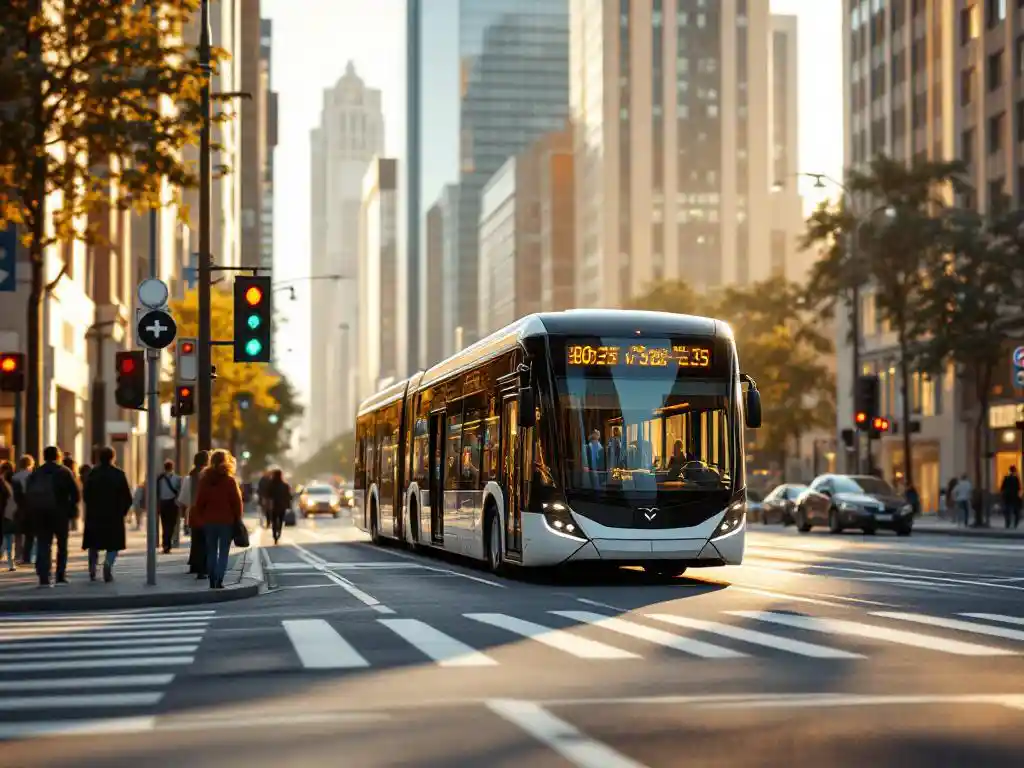
What is AI in public transportation, and how does it work?
AI in public transportation refers to artificial intelligence systems that analyze real-time data from buses, trains, and passenger flows to automatically optimize schedules, predict delays, and coordinate vehicle movements. These systems use machine learning algorithms to process information from GPS trackers, passenger counters, traffic sensors, and weather data to make intelligent decisions about route adjustments and resource allocation.
The technology works by continuously collecting data from multiple sources across the transportation network. Smart sensors monitor passenger boarding patterns, vehicle locations, and traffic conditions, while AI algorithms analyze this information to identify patterns and predict future scenarios. When disruptions occur, the system can automatically suggest alternative routes or redistribute vehicles to maintain service levels. This creates a responsive network that adapts to changing conditions rather than following rigid, predetermined schedules.
How does AI improve route planning and scheduling in public transit?
AI enhances route planning by analyzing historical passenger data, traffic patterns, and real-time conditions to create optimized schedules that reduce wait times and improve vehicle utilization. The technology can predict demand fluctuations throughout the day and automatically adjust service frequency to match passenger needs while minimizing operational costs.
Traditional scheduling relies on static timetables that often become outdated as conditions change. AI-powered systems continuously monitor performance metrics and passenger feedback to identify inefficiencies. When a bus runs late due to traffic congestion, the AI can communicate with other vehicles in the network to adjust their timing, preventing service gaps. This dynamic approach to transport planning automation ensures that schedules remain relevant and effective even as urban conditions evolve.
The system also considers external factors such as weather conditions, special events, and construction zones that might affect normal operations. By incorporating these variables into planning decisions, AI helps transit authorities maintain reliable service while optimizing resource deployment across their entire network.
What are the main benefits of AI for passengers using public transport?
AI delivers three primary benefits to public transport passengers: more reliable arrival times through predictive scheduling, reduced waiting periods via optimized service frequency, and better real-time information about delays or service changes through mobile apps and digital displays.
Passengers experience improved journey predictability because AI systems can anticipate and mitigate common disruptions before they cascade through the network. When delays do occur, intelligent routing algorithms can quickly identify alternative paths or redistribute vehicles to minimize passenger impact. This proactive approach transforms the typical reactive response to disruptions.
Enhanced passenger information systems represent another significant advantage. AI processes complex operational data and translates it into simple, actionable updates for travelers. Instead of generic delay announcements, passengers receive specific information about alternative routes, expected wait times, and service resumption estimates. This transparency helps travelers make informed decisions about their journeys and reduces the frustration associated with uncertainty.
How does AI help reduce costs and maintenance in transportation systems?
AI reduces transportation costs through predictive maintenance that prevents expensive breakdowns, fuel optimization that minimizes consumption, and efficient resource allocation that maximizes vehicle utilization. These systems can reduce maintenance costs by up to 20% while extending vehicle lifespan through proactive maintenance scheduling.
Predictive maintenance algorithms monitor vehicle performance data to identify components that may fail before they actually break down. This approach allows maintenance teams to replace parts during scheduled downtime rather than dealing with emergency repairs that disrupt service. The system learns from historical failure patterns and environmental conditions to refine its predictions over time.
Fuel efficiency improvements come from AI-optimized routing that considers traffic conditions, passenger loads, and vehicle characteristics. The technology can suggest speed adjustments, route modifications, and timing changes that reduce energy consumption without compromising service quality. For electric bus fleets, AI helps optimize charging schedules and battery usage to extend range and reduce electricity costs.
How LogicPlan helps with AI transport planning
LogicPlan transforms transport planning automation through our intelligent Daily Planning Assistant, which learns your specific planning patterns and automates routine scheduling tasks. Our system works alongside your existing tools, requiring no disruptive migration while delivering immediate productivity improvements for transport planners.
Our solution addresses the key challenges facing transport planners today:
Automates tomorrow’s route and driver schedule construction based on your proven planning logic
Adapts to real-time changes and exceptions while maintaining human oversight
Integrates seamlessly with existing TMS systems via a browser extension
Reduces manual planning time from hours to minutes while preserving planner judgment
Unlike generic automation frameworks, we’ve built our platform specifically around the planning logic that transport professionals actually use. Our adaptive intelligence remembers your exceptions, learns from your decisions, and becomes more effective over time. Ready to experience how AI can enhance your transport planning without replacing your expertise? Contact LogicPlan and see how quickly you can be operational.
Frequently Asked Questions
How long does it typically take to implement AI systems in existing public transportation networks?
Implementation timelines vary depending on network size and existing infrastructure, but most AI transport systems can be deployed in phases over 6-18 months. The process typically begins with pilot routes to test functionality and train staff, followed by gradual network-wide rollout. Systems like LogicPlan's Daily Planning Assistant can be operational within weeks since they integrate with existing TMS platforms without requiring infrastructure overhaul.
What happens if the AI system fails or makes incorrect predictions?
Modern AI transport systems include multiple failsafe mechanisms and human oversight protocols. When system failures occur, operations automatically revert to backup schedules or manual control while maintaining service continuity. Most platforms also include confidence scoring for AI recommendations, allowing planners to identify and override potentially incorrect predictions before they impact passenger service.
Do transport staff need special training to work with AI planning systems?
Most AI transport systems are designed to complement existing staff expertise rather than replace it, requiring minimal additional training. Planners typically need 1-2 weeks to become proficient with new interfaces and learn to interpret AI recommendations. The key is choosing systems that work with familiar workflows rather than forcing staff to adopt entirely new planning methodologies.
How much data is needed before AI systems become effective in transport planning?
AI systems can begin providing value with as little as 3-6 months of historical data, though accuracy improves significantly with 12+ months of operational information. The system needs sufficient data to identify seasonal patterns, peak demand periods, and common disruption scenarios. Many platforms can also leverage anonymized data from similar transit networks to accelerate the learning process.
Can AI transport systems work effectively in smaller cities or rural areas with limited infrastructure?
Yes, AI systems can be particularly valuable in smaller networks where manual planning becomes disproportionately time-consuming relative to fleet size. These systems often require less complex infrastructure since they can work with basic GPS tracking and passenger counting technology. Rural routes benefit especially from AI's ability to optimize schedules around variable demand patterns and seasonal changes.
What are the most common implementation mistakes when deploying AI in public transportation?
The biggest mistake is trying to automate everything at once rather than starting with specific use cases like schedule optimization or predictive maintenance. Other common errors include insufficient staff buy-in, inadequate data quality preparation, and choosing systems that don't integrate well with existing workflows. Success comes from gradual implementation with clear success metrics and continuous staff feedback.
How do AI transport systems handle unexpected events like severe weather or major incidents?
Advanced AI systems incorporate real-time external data feeds including weather forecasts, traffic incidents, and special events to proactively adjust operations. When unexpected disruptions occur, the system can rapidly model alternative scenarios and suggest optimal responses like route diversions or service frequency adjustments. The key advantage is speed – AI can evaluate hundreds of potential responses in seconds compared to manual planning which might take hours.
Next blog